Crucible Steel in Syracuse, New York: Asbestos Exposure and Recent Developments
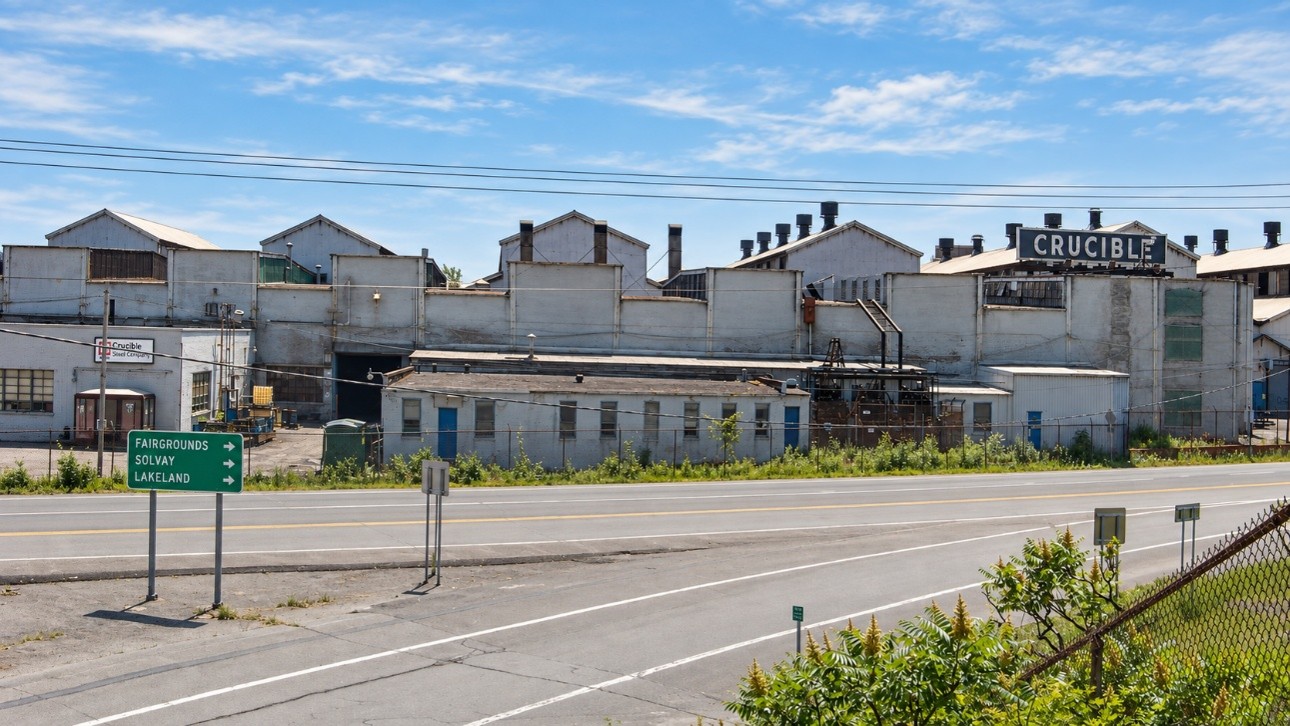
Crucible Industries, formerly Crucible steel, operated a specialty-steel manufacturing facility on the west side of Onondaga Lake, roughly two miles from Syracuse, New York. For generations, the facility was an important part of the region’s industrial history and employed workers in steel production, maintenance, and other trades.
Former employees of Crucible Industries (formerly Crucible Steel) have developed and died of mesothelioma, lung cancer and other asbestos-related diseases.
Workers in the steel industry were at high risk for exposure to asbestos, which was widely used in its industrial facilities because of its resistance to heat. At Crucible Steel, asbestos-containing materials were used throughout the facility, including in refractory and insulation products associated with high-heat equipment and steelmaking operations such as hot tops, and could also be found in workers’ protective clothing.
Workers who handled asbestos-containing materials, as well as those who worked nearby when those materials were disturbed, may have inhaled airborne asbestos fibers. Exposure to asbestos can cause serious diseases that may not develop until decades later.
Asbestos Exposure at Crucible Steel
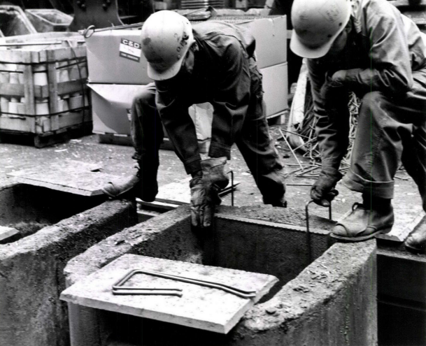
Crucible Steel was covered with asbestos-containing materials. Refractory materials, such as asbestos block insulation were used in the annealing, blast furnaces, open hearth furnaces, heating furnaces, boilers and coke ovens.
A refractory material is a non-metallic material that is capable of resisting high temperatures. Because of its heat-resistant properties, asbestos was used in refractory and insulation products surrounding high-heat surfaces. Asbestos pipe covering also lined the outside of steam pipes throughout the Onondaga County job site.
Asbestos-containing refractory materials were also used in connection with hot tops during the steelmaking process. Hot tops were placed at the top of ingot molds to collect impurities that rose as molten steel cooled.
To withstand the intense heat, the interiors of hot tops could be lined with refractory materials such as asbestos-containing mortar or insulating board. Mixing dry asbestos-containing mortar, handling insulating boards, and removing deteriorated refractory material could release asbestos fibers and dust into the surrounding work area.
During the application and removal of the asbestos refractory and insulation products, clouds of dust visible to the naked eye were created. Airborne asbestos fibers could travel beyond the immediate work area, potentially exposing workers who did not directly handle the materials.
As a result, employees who applied, removed, repaired, or maintained asbestos-containing products may have been exposed, as well as workers who performed their jobs in the vicinity of those activities. Those exposures may have increased the risk of developing mesothelioma, lung cancer, and other asbestos-related diseases.
Asbestos-Related Diseases Can Develop Decades After Exposure
Asbestos-related diseases often have long latency periods. A former Crucible Steel employee may not experience symptoms or receive a diagnosis until many years after leaving the facility.
Mesothelioma is a cancer associated with asbestos exposure that most commonly affects the lining of the lungs or abdomen. Asbestos exposure can also cause lung cancer and non-malignant conditions, including asbestosis and pleural disease.
A diagnosis does not necessarily identify where or when exposure occurred. For former steelworkers, a detailed employment history can be an important part of investigating potential asbestos exposure, including the departments where they worked, the equipment they maintained, the materials used around them, and the companies that manufactured or supplied those products.
Crucible Industries Bankruptcy and 2025 Closure
After more than a century of steelmaking in the Syracuse area, Crucible Industries’ historic manufacturing operation came to an end in 2025.
In December 2024, Crucible Industries filed for Chapter 11 bankruptcy protection amid financial difficulties. A New York State Department of Labor WARN notice identified 158 affected employees and a planned closure period in March 2025.
During the bankruptcy proceedings, the company’s assets were divided and sold. Erasteel, a French specialty-steel company, acquired assets associated with Crucible’s powder-metallurgy business, including intellectual property, inventories, and certain industrial equipment. Lauter Metal Technologies LLC purchased substantially all of the remaining assets. The bankruptcy court entered the respective sale orders in March 2025.
Crucible’s bankruptcy was converted to Chapter 7 on May 30, 2025. The company’s subsequent final report stated that it had vacated and surrendered the Solvay manufacturing property. Although portions of Crucible’s specialty-steel technology and product business continued under new ownership, the historic Syracuse-area steelmaking operation closed.
For former employees and their families, the closure does not erase the history of the workplace or the potential health consequences of asbestos exposure that occurred there.
Legal Help for Former Crucible Steel Workers and Their Families
If you or a loved one were once employed at Crucible Steel in the Syracuse, New York areas and have been diagnosed with mesothelioma, lung cancer, or another asbestos-related disease, you may have legal options.
Lipsitz, Ponterio & Comerford has decades of experience representing workers and families affected by asbestos-related diseases.
In the process of representing our clients, we have gathered a vast amount of information concerning the types and varieties of asbestos-containing products to which workers at Crucible Steel and other industrial facilities were exposed.
Our attorneys can help investigate a former employee’s exposure history and explain the legal options that may be available.
Due to time limitations, it is important to secure legal representation as soon as possible after a diagnosis of mesothelioma or lung cancer. Contact Lipsitz, Ponterio & Comerford for a free consultation regarding your legal rights.