The Dangers of Coke Oven Emissions and Asbestos Exposure
For decades, thousands of workers throughout Western New York helped fuel the region’s steel industry by working at coke production facilities. While these jobs were essential to manufacturing, they often involved long-term exposure to hazardous substances, including coke oven emissions, coal tar pitch volatiles (CTPVs), polycyclic aromatic hydrocarbons (PAHs), and asbestos-containing materials.
Today, some former coke oven workers have been diagnosed with lung cancer, bladder cancer, mesothelioma, and other occupational cancers decades after their employment. If you or a loved one worked around coke oven batteries and later developed an occupational illness, you may have legal rights.
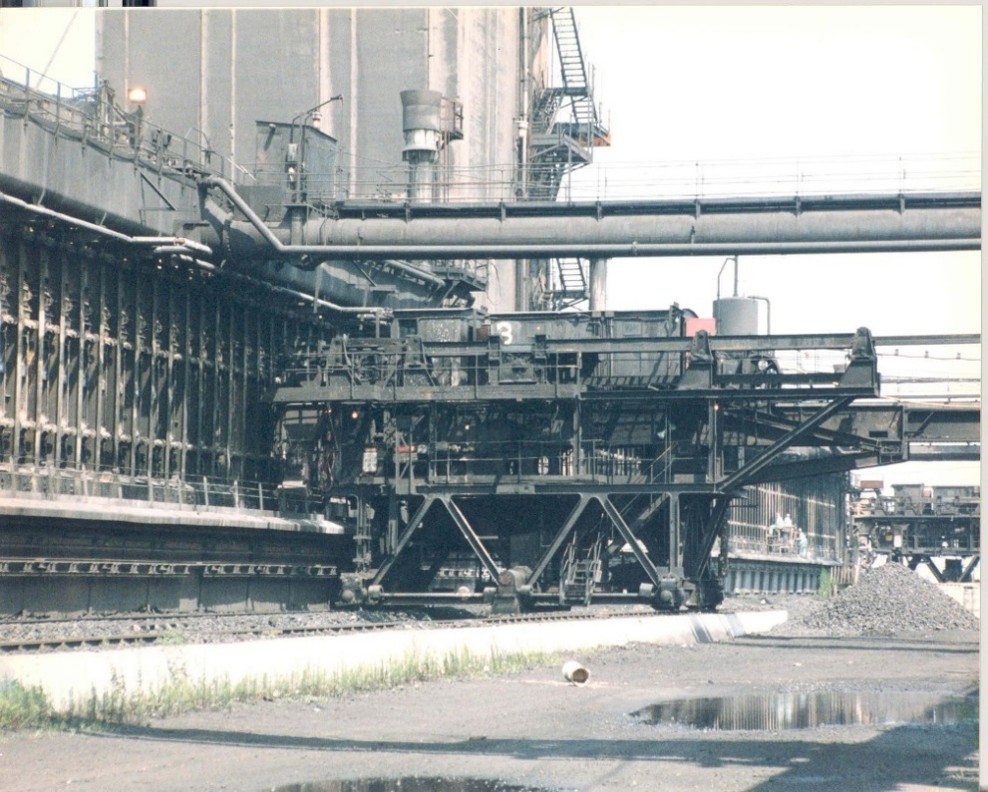
Western New York’s Coke Oven History
Buffalo was home to three major coke production facilities:
- Bethlehem Steel in Lackawanna, the region’s largest steel producer
- Donner Hanna Coke Company in South Buffalo
- Semet-Solvay, now known as Tonawanda Coke, in Tonawanda
These facilities supplied coke to steel manufacturers throughout the region while employing thousands of workers from Buffalo, Lackawanna, Tonawanda, and surrounding communities. Many employees spent entire careers working around coke oven batteries, often before modern engineering controls and workplace safety standards were established.
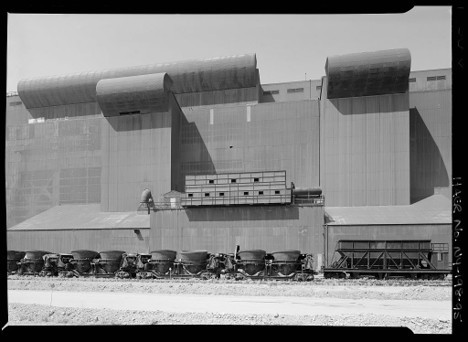
How Coke Is Made
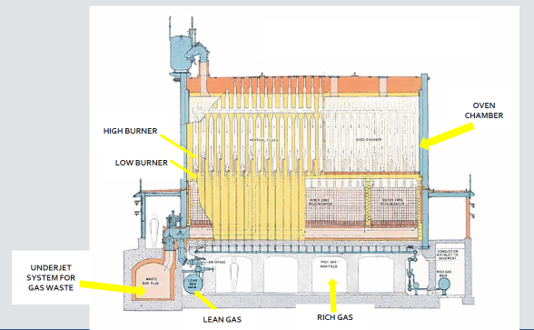
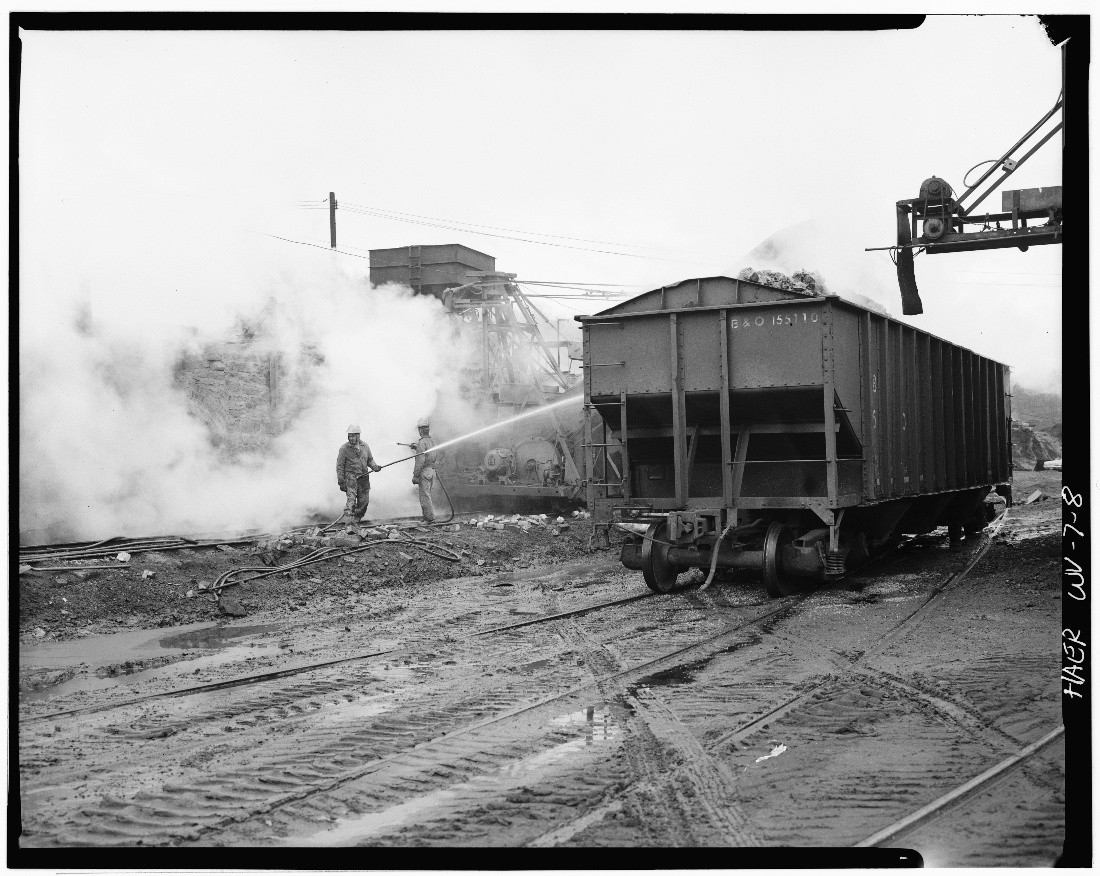
Coke is produced by heating coal at extremely high temperatures inside large refractory ovens without oxygen. This process drives off volatile compounds and leaves behind nearly pure carbon, known as coke, which is used as both a fuel and an additive during steelmaking.
As coal is heated, numerous gases, vapors, dusts, and chemical byproducts are released into the work environment. Workers responsible for operating, charging, cleaning, and maintaining coke oven batteries often worked in close proximity to these emissions throughout their shifts.
Once produced, coke is transported to steel manufacturers where it is used during the iron and steelmaking process.
Working Around Coke Oven Batteries
Workers assigned to the tops and sides of coke oven batteries frequently experienced repeated exposure to smoke, dust, fumes, and chemical vapors.
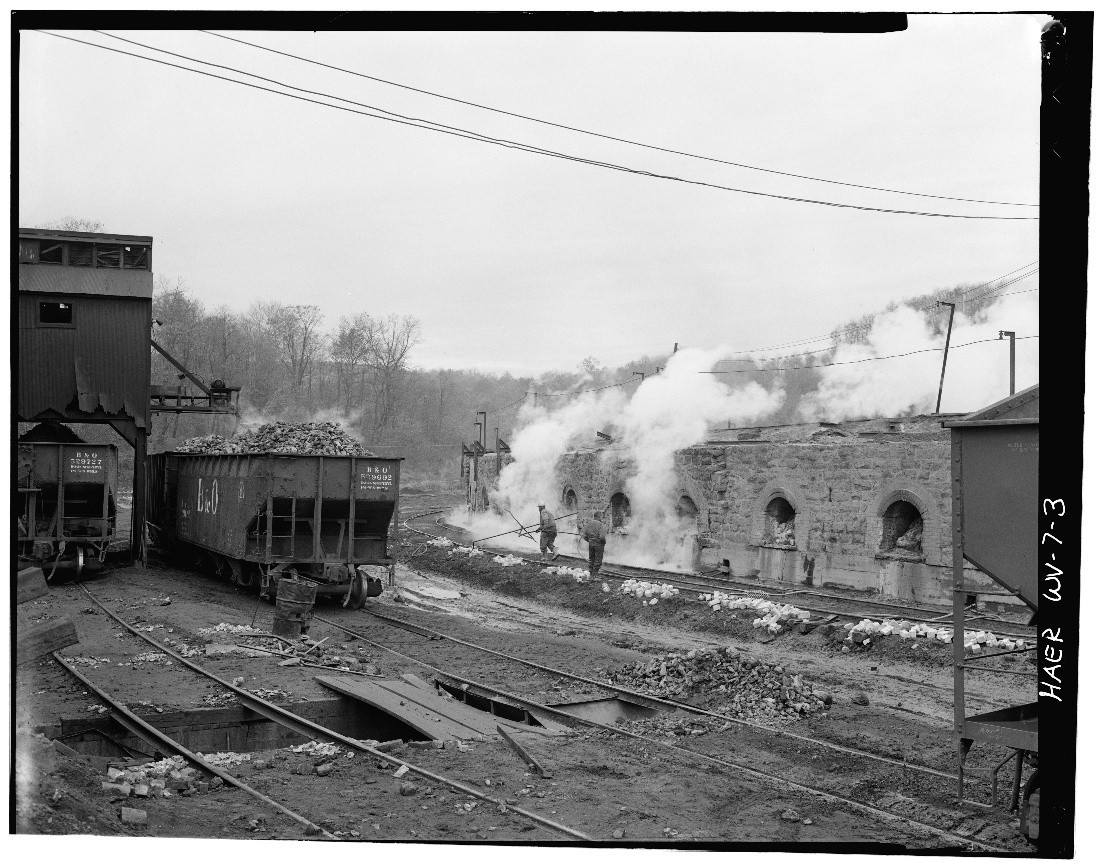
Common Topside Positions
- Lid Man
- Larry Car Operator
- Tar Chaser
- Maintenance Worker
Common Side Battery Positions
- Door Cleaner
- Pusher Operator
During an eight-hour shift, it was common for a lid man to service seventeen or eighteen ovens, spending approximately fifteen minutes on top of each oven while exposed to coke oven emissions. This kind of heavy topside exposure is well documented in the federal scientific record: the National Toxicology Program’s Report on Carcinogens identifies lid men as having the highest measured coke oven emission exposure levels of any job classification in the industry, followed closely by tar chasers and larry car operators.
Coke Oven Emissions
The coke-making process also generated numerous hazardous chemicals, including:
- Benzene
- Toluene
- Xylene
- Ammonia
- Naphthalene
- Coal tar vapors
Cancer Risks from Coke Oven Emissions, Coal Tar & Coal Tar Pitch
The production of coke creates a complex mixture of gases, vapors, dust, and fumes collectively known as coke oven emissions.
One of the primary hazards associated with coke production is exposure to coal tar pitch volatiles. These emissions contain polycyclic aromatic hydrocarbons (PAHs), aromatic amines, and other chemical compounds that have been associated with an increased risk of occupational cancer following repeated or long-term exposure.
Workers could be exposed whenever coal tar or refined coal tar products were heated, releasing hazardous dusts, fumes, and vapors into the workplace. Exposure could occur through inhalation as well as skin contact, particularly among employees working on or around coke oven batteries and in coal tar or byproduct operations.
Bladder cancer has also been associated with occupational exposure to compounds found in coke oven emissions and coal tar. Certain aromatic amines identified in coal tar, including chemicals recognized for their association with bladder cancer, may enter the body through inhalation or skin absorption. Because occupational cancers can have long latency periods, bladder cancer may develop decades after a worker’s exposure has ended.
Long-term occupational exposure has been associated with lung and other respiratory cancers, bladder cancer, and skin cancer. OSHA’s own substance information sheet for coke oven emissions confirms that exposure is a recognized cause of lung cancer and kidney cancer in humans.
Coke Oven Emissions Remain a Regulated Hazard Today
Coke oven emissions are not just a historical hazard. In 2024, the U.S. Environmental Protection Agency finalized updated federal air pollution standards for coke oven facilities nationwide because of the serious, well-documented health risks these emissions continue to pose to workers and the communities that surround coke plants. In December 2025, a coalition of environmental and community organizations, represented in part by Earthjustice and the Southern Environmental Law Center, filed a federal lawsuit challenging exemptions granted to coke oven facilities from those updated standards.
The plaintiffs’ federal complaint argues that the exemptions leave coke oven workers and nearby residents exposed to hazardous air pollutants, including benzene and other carcinogens, that regulators have already determined pose serious cancer risks. For this practice area, the litigation reinforces a point that matters to former coke oven workers: these emissions remain one of the most closely regulated and scrutinized industrial hazards in the country, precisely because of their documented link to occupational disease.
Asbestos Exposure in Coke Plants
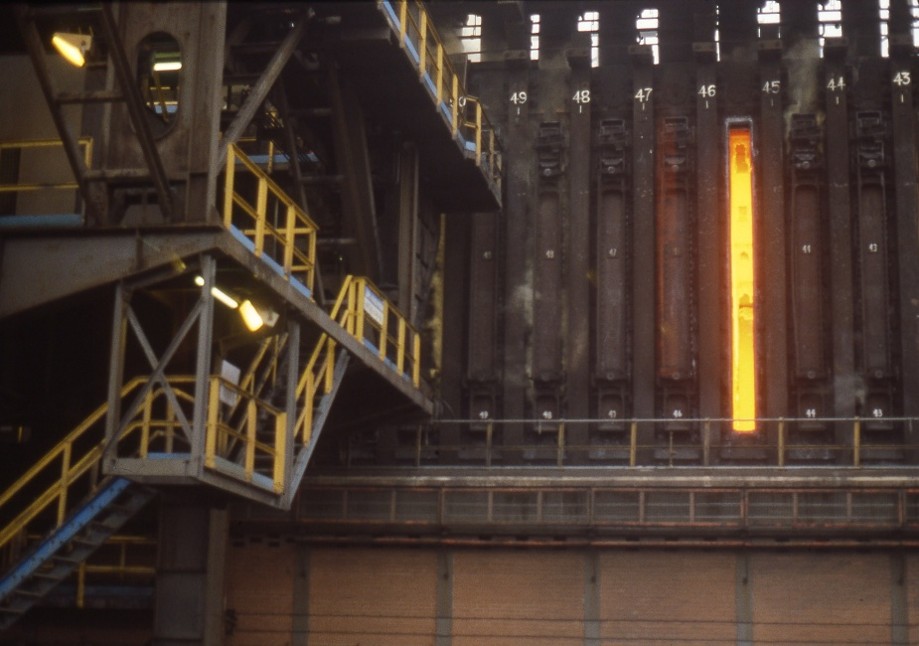
Although asbestos was not part of the coal itself, it was widely used throughout traditional coke plants because virtually every high-temperature industrial system required insulation.
Workers could encounter asbestos during both routine operations and maintenance activities.
Common Asbestos-Containing Materials
Steam & Utility Systems
- Steam piping
- Pipe insulation
- Boilers
- Hot water lines
Mechanical Equipment
- Pumps
- Compressors
- Turbines
- Valves
- Packing
- Expansion joints
Coke Oven Construction
- Coke oven doors
- Oven seals
- Refractory insulation
- Fireproof wall panels
- Spray-applied fireproofing
Electrical Systems
- Electrical equipment
- Insulated wiring
- Fire-resistant components
During maintenance activities, insulation was frequently removed, cut, scraped, or replaced, releasing microscopic asbestos fibers into the surrounding work environment.
Workers at Highest Risk for Asbestos Exposure
While many employees worked around asbestos-containing materials, the highest exposures generally occurred among workers responsible for installing, repairing, or removing insulated equipment.
Occupations commonly associated with asbestos exposure include:
- Pipefitters
- Steamfitters
- Insulators
- Boilermakers
- Millwrights
- Welders
- Maintenance Mechanics
- Electricians
- Laborers
- Demolition Workers
- Contractors performing plant outages
- Rebuild crews
These workers often performed repairs while coke oven batteries remained in operation nearby.
Diseases Associated with Coke Oven Work
Workers employed around coke oven batteries may have been exposed to multiple hazardous substances throughout their careers, including coke oven emissions, coal tar pitch volatiles (CTPVs), and asbestos-containing materials.
Many occupational diseases associated with these exposures have long latency periods, meaning symptoms often do not appear until 20, 30, or even 40 years after the original exposure.
Lung Cancer
Studies have linked prolonged occupational exposure to coke oven emissions with an increased risk of lung cancer. Workers employed on or around coke oven batteries often experienced repeated exposure to smoke, dust, fumes, and coal tar pitch volatiles over many years.
Bladder Cancer
Coke oven emissions and coal tar can contain PAHs and aromatic amines associated with occupational bladder cancer. Workers exposed to coke oven emissions, coal tar, and coke-oven byproducts may develop bladder cancer many years after their exposure ends.
Mesothelioma
Mesothelioma is a rare cancer caused by asbestos exposure. Although asbestos was not part of the coal itself, it was widely used throughout coke plants to insulate boilers, steam systems, piping, refractory materials, and other high-temperature equipment. Maintenance workers and industrial tradespeople may have experienced significant asbestos exposure while repairing or replacing these materials.
Other Occupational Cancers
Occupational exposure to coke oven emissions, coal tar pitch volatiles (CTPVs), and polycyclic aromatic hydrocarbons (PAHs) has also been associated with an increased risk of other cancers. Depending on a worker’s job duties and the substances encountered, long-term exposure to these hazardous materials may increase the risk of developing additional occupational illnesses.
Did You Work at One of These Facilities?
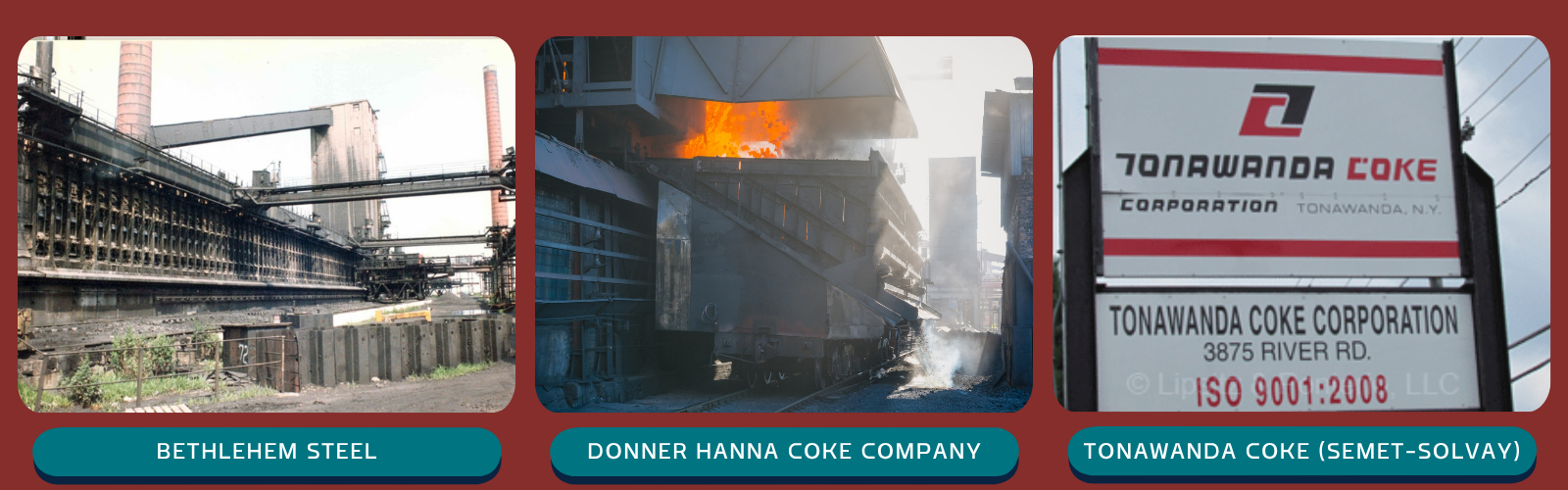
Bethlehem Steel
The Lackawanna steel plant used asbestos-containing insulation and refractory materials throughout its mills, furnaces, boilers and coke ovens. Workers may have encountered asbestos dust and hazardous coke-oven emissions. Learn More.
Donner Hanna Coke Company
This South Buffalo coke plant used asbestos-containing materials around furnaces, equipment and steam lines. Employees and tradespeople working in or near maintenance operations may have inhaled asbestos dust. Learn More.
Tonawanda Coke (Semet-Solvay)
Operating on River Road from 1917 to 2018 as Semet-Solvay and later Tonawanda Coke, this plant used asbestos insulation, cement, gaskets and fireproofing throughout its coke-oven operations. Learn More.
What Every Former Coke Oven Worker Should Know
Coke Oven Emissions Have Been Linked to Cancer: studies have linked long-term occupational exposure to coke oven emissions with an increased risk of lung cancer and certain other occupational cancers. Workers employed on or around coke oven batteries often experienced repeated exposure over many years.
Exposure Included More Than Smoke: Coke oven emissions consist of a complex mixture of gases, vapors, dust, and coal tar pitch volatiles (CTPVs). Before modern engineering controls were implemented, workers could be exposed to these substances throughout their workday, particularly while working on or alongside coke oven batteries.
Many Workers Were Exposed Before OSHA Standards Were Established: OSHA’s final coke oven emissions standard was not adopted until 1979. By that time, many workers had already spent years, or even decades, working in environments with significant exposure to coke oven emissions. The current text of that standard is codified at 29 C.F.R. § 1910.1029.
You may be diagnosed decades after your exposure: Today, some former workers have been diagnosed with lung cancer, mesothelioma, and other occupational illnesses decades after their employment.
You May Have Legal Rights: Depending on your work history, medical diagnosis, and the facts of your case, you may have legal rights against companies responsible for the design, construction, or maintenance of coke ovens. New York’s highest court has already recognized this type of claim. In a 2019 decision arising from a Bethlehem Steel lid man’s death from lung cancer, the New York Court of Appeals held that the manufacturer of a coke oven battery at the Lackawanna plant could be held liable under a failure-to-warn theory for injuries caused by coke oven emissions (Matter of Eighth Jud. Dist. Asbestos Litig., 33 N.Y.3d 488 (2019)). Lipsitz Ponterio & Comerford represented the estate of Donald Terwilliger in this case. This decision reaffirmed that manufacturers have a duty to warn about latent dangers associated with their machinery and marked an important victory for workers harmed by industrial exposure.
Frequently Asked Questions
Can coke oven emissions cause lung cancer?
Studies have linked prolonged occupational exposure to coke oven emissions with an increased risk of lung cancer.
Was asbestos used in coke plants?
Yes. Asbestos was commonly used throughout coke plants to insulate boilers, piping, valves, pumps, turbines, refractory materials, and other high-temperature industrial equipment.
How long after exposure can cancer develop?
Many occupational diseases associated with asbestos and coke oven emissions have long latency periods. Symptoms may not appear for decades after exposure.
What if I smoked?
Every person’s work history, diagnosis, and exposure history are different. A history of smoking does not necessarily determine whether someone may have legal rights. An attorney can evaluate the specific facts of your situation.
Can family members be exposed?
In some circumstances, asbestos fibers could be carried home on a worker’s clothing, potentially exposing family members. Whether this occurred depends on the individual’s work history and job duties.
Are coke oven emissions still a regulated hazard today?
Yes. Federal regulators continue to treat coke oven emissions as a serious hazardous air pollutant, and as recently as December 2025, environmental and community groups sued to block exemptions granted to coke oven facilities from updated federal air pollution standards. See Earthjustice, December 2025.
Contact Our Coke Oven Exposure Attorneys
For decades, Lipsitz, Ponterio & Comerford has represented workers and families affected by occupational asbestos exposure and industrial disease throughout New York.
If you worked around coke oven batteries, coal tar, refractory materials, or asbestos-containing equipment and were later diagnosed with lung cancer, bladder cancer, mesothelioma, or another occupational illness, our attorneys can review your work history and discuss your legal options during a free, confidential consultation.
