Plumbers Spent Decades Working Around Asbestos Without Ever Being Warned

For most of the 20th century, plumbing was one of the most respected skilled trades in America. It was physical work, precise work, the kind of work that kept homes, hospitals, schools, factories, and office buildings functioning. Plumbers ran pipe, repaired boilers, installed water heaters, patched steam lines, and rebuilt heating systems in buildings across Western New York and the country.

What almost none of them knew, until decades later, was that the materials they handled every day contained asbestos. Pipe insulation. Gaskets. Joint compound. Boiler coverings. Furnace cement. The very products that made plumbing work were quietly shedding microscopic fibers into the air with every cut, tear-out, and repair.

If you or a family member spent years as a plumber and a diagnosis has now brought asbestos into the conversation, you’re not alone. Mesothelioma. Lung cancer. Asbestosis. These diseases are showing up now in retired tradesmen who did everything right on the job and were still harmed by the products they were told were safe.

For families navigating a diagnosis like this, a conversation with the right attorney can bring some clarity to an overwhelming situation.

Schedule a Free, Confidential Conversation With Our Team

If a diagnosis has raised questions about asbestos exposure on the job, you do not have to sort through them on your own. The attorneys at Lipsitz, Ponterio & Comerford have spent decades representing tradesmen and their families in exactly these situations, and can get you answers. Call (716) 849-0701 or contact us to schedule a free, confidential consultation and begin the path forward.

A Brief History of Asbestos in the Plumbing Trade

Asbestos and plumbing were once closely linked in American industry. When the country was wiring, piping, and heating millions of new homes and commercial buildings through the early and mid-20th century, manufacturers needed materials that could withstand extreme heat, resist corrosion, and hold up under pressure. Asbestos did all three, and it was cheap.

By the 1930s, asbestos was woven into virtually every product a plumber touched. By the 1950s and 1960s, it was everywhere. Pipe covering on steam lines. Insulation wrap on hot water heaters. Joint compound used to seal threads. Gasket material cut to fit flanges. Cement used to patch boiler jackets. Even the protective gear plumbers wore to handle hot work contained asbestos.

The manufacturers of these products knew, in many cases by the 1930s and certainly by the 1950s, that asbestos caused deadly disease. Internal memos, industry studies, and suppressed research showed clearly that workers were being harmed. Instead of warning tradesmen or pulling products from the market, many companies chose to keep selling and keep profiting.

Plumbers were among the hardest hit. It wasn’t because their employers failed them, in most cases, but because the products themselves were dangerous by design and sold without adequate warning.

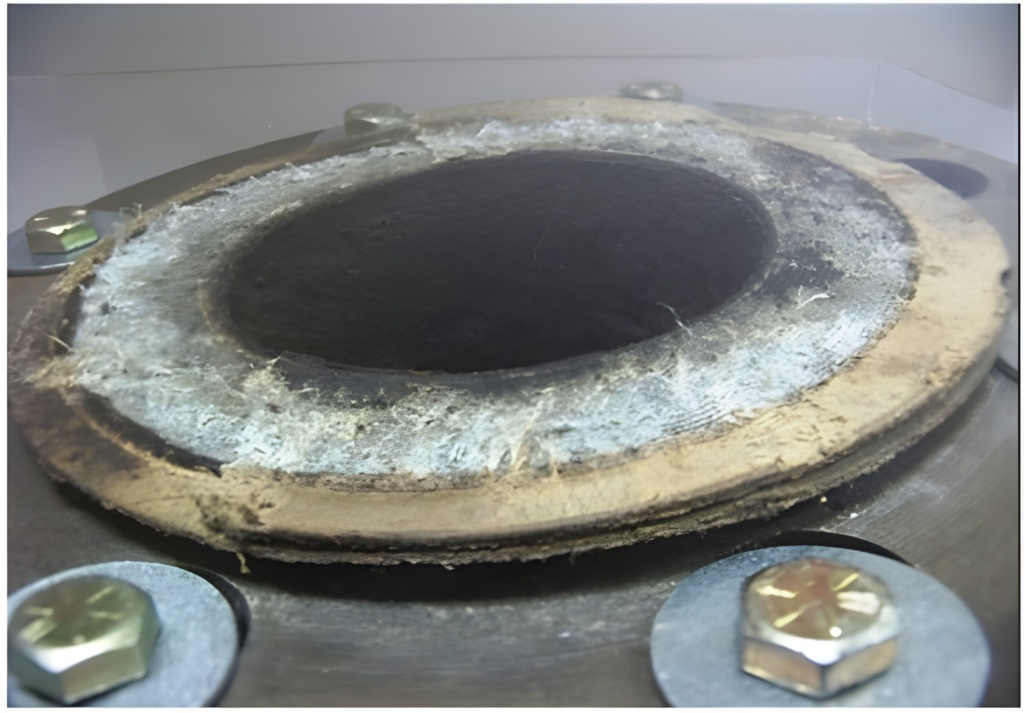
Asbestos Exposure and Plumbers - Crane-Co.-Asbestos-Gasket

Where Plumbers Encountered Asbestos on the Job

Plumbing work brought tradesmen into contact with asbestos-containing products in more ways than most people realize. The exposure happened in job after job, site after site, for decades.

Pipe Insulation and Lagging

The thick white or gray insulation wrapped around steam pipes, hot water lines, and boiler piping was often made with amosite or chrysotile asbestos. Every time a plumber cut into that insulation to access a pipe, tore out old lagging during a renovation, or replaced a damaged section, fibers were released into the air. Old insulation was the worst. It became friable with age, meaning it crumbled at the slightest disturbance.

Boiler and Furnace Work

Industrial and residential boilers were insulated with asbestos inside and out. Boiler jackets, refractory linings, door gaskets, and rope seals all commonly contained asbestos. Plumbers called in to service, repair, or replace boilers almost always disturbed these materials. Scraping out old cement, replacing gaskets, or cutting away insulation sent fibers directly into the worker’s breathing zone.

Residential furnaces presented many of the same hazards. Furnace wrap and blanket insulation, flue pipe insulation, and heat exchanger seals frequently contained asbestos well into the 1970s and beyond. Plumbers and pipefitters working on forced-air or steam heating systems routinely handled these materials, often in tight mechanical rooms or basements with little ventilation, concentrating the airborne fibers.

Gaskets and Valve Packing

Threaded joints, flange connections, and valve stems used gasket material and packing. Oftentimes, this material contained asbestos. When plumbers broke a joint to replace a valve or repair a connection, they cut or scraped the old gasket material off the metal surface. That scraping released fibers into the air.

Joint Compound and Pipe Dope

Certain pipe thread sealants, joint compounds, and pipe thread sealants and pipe dope materials contained asbestos. Plumbers who mixed these compounds or applied them by hand were exposed directly through skin contact and inhalation.

Hot Water Heaters and Tanks

The insulation inside residential and commercial water heaters often contained asbestos. Plumbers installing, removing, or repairing these units could disturb the insulation and release fibers, particularly when cutting into older units or handling damaged jackets.

Cement Pipe and Transite

Water and sewer lines in many Western New York municipalities were made of asbestos-cement pipe, commonly called transite. Plumbers who cut, repaired, or removed these pipes created visible dust clouds of asbestos fibers. Transite work was especially dangerous because cutting released high concentrations of fibers in a short period of time.

Protective Clothing and Equipment

Gloves, aprons, mitts, and heat-resistant clothing issued to plumbers for hot work were frequently made with woven asbestos. The very gear meant to protect them from burns exposed them to fibers with every shift.

Job Site Conditions

Plumbers rarely worked in isolation. They worked alongside insulators, pipefitters, electricians, laborers, and mechanical contractors, all of whom were handling their own asbestos-containing materials. A plumber didn’t have to touch the insulation himself to breathe in the fibers released when the insulator three feet away tore into a pipe covering.

The Specialties and Job Settings Most at Risk

You may have been exposed to asbestos if you or someone you love worked in any of the following plumbing roles or settings:

  • Residential plumbers servicing older homes with steam or hot water heating
  • Commercial plumbers working in office buildings, hospitals, and schools
  • Industrial plumbers and pipefitters in factories, refineries, and power plants
  • Union plumbers (UA locals) doing new construction and renovation
  • Boiler repair and service plumbers
  • Navy and maritime plumbers working on ships, submarines, and shipyards
  • Municipal plumbers handling water and sewer lines
  • Apprentices who did the tear-out and demolition work

The risk didn’t end when the workday did. Asbestos fibers could follow plumbers home, clinging to their clothes and belongings. Loved ones, often without realizing it, were exposed through everyday contact. In some cases, this secondary exposure has led to mesothelioma in spouses and children who never set foot on a job site.

If this feels close to home, we encourage you to reach out. A conversation with our firm is free and comes with no commitment. Call Lipsitz, Ponterio & Comerford at (716) 849-0701.

Illnesses Associated With Asbestos Exposure

One of the most challenging aspects of asbestos exposure is how long it can take for symptoms to appear. In many cases, decades pass between initial exposure and diagnosis. A plumber who installed steam lines in 1972, for example, may not experience his first symptom until 2012 or later. By then, the connection between past work and present illness is not always obvious.

Medical research has linked asbestos exposure to several serious conditions, including:

If you or someone close to you has been diagnosed with any of these conditions and has a history of plumbing work, it may be worth exploring whether asbestos exposure played a role. A conversation with an attorney experienced in asbestos-related cases can help clarify your options.

Why Timing Matters

In New York, there are strict deadlines for filing asbestos-related claims. For individuals diagnosed with an illness, that timeline typically begins at the time of diagnosis. For families pursuing a wrongful death claim, it generally starts at the time of passing. If these deadlines are missed, the opportunity to seek compensation may no longer be available.

There’s also a practical side to timing. These cases rely heavily on evidence, work histories, product records, and witness accounts. Over time, those details can become harder to document. People move, records disappear, and firsthand accounts are lost. Starting the process earlier helps preserve that information.

That said, reaching out doesn’t mean you have to make any immediate decisions. An initial conversation can simply help you understand your situation and what options may exist, without cost or obligation.

What Pursuing a Claim May Involve

Plumbers and their families often have questions about what filing a claim actually involves. Here are a few important things to keep in mind:

  1. The focus is on the products used on the job. Most claims center on the manufacturers of asbestos-containing materials commonly used in plumbing work, such as pipe insulation, boiler coverings, sealants, and gaskets. These cases are typically not about taking action against a former employer, but about holding product manufacturers accountable.
  2. Your work history helps tell the story, even without perfect recall. Plumbers rarely remember every brand or material they handled over decades on the job. That’s expected. Experienced firms rely on job site records, industry data, and prior investigations involving local plumbing work to help identify likely sources of exposure.
  3. There are no upfront legal costs. We handle our cases on a contingency basis. That means there are no out-of-pocket fees to begin, and we only recover legal costs if we obtain compensation.
  4. Many cases are resolved without going to court. A significant number of asbestos claims involving plumbers are handled through established trust funds or negotiated settlements tied to known products and job sites. While some cases do proceed further, many are resolved without requiring a trial.

Why So Many Western New York Plumbers Call Our Firm

Plumbers in Western New York spent decades working in boiler rooms, crawl spaces, and mechanical systems where asbestos use was routine. Understanding those environments and the materials used in them matters when building a case.

Our work at Lipsitz, Ponterio & Comerford focuses specifically on asbestos-related diseases, including those tied to plumbing systems like pipe insulation, valve packing, gaskets, and sealants. We’ve spent years examining the job sites common to this region, schools, factories, commercial buildings, and older homes, and identifying the products plumbers regularly handled.

That experience allows us to move beyond guesswork. Even when details are incomplete, we can often reconstruct likely sources of exposure based on where and when a plumber worked.

Just as important, this work is about making sense of what happened. Many tradesmen were never warned about the risks tied to the materials they used every day. Our role is to help connect those dots and hold responsible parties accountable.

Take the Next Step: Schedule a Free Consultation Today

For many plumbers, asbestos exposure was part of the job. If you’re now dealing with a related diagnosis, it’s reasonable to ask whether that work played a role.

A consultation at Lipsitz, Ponterio & Comerford gives you the opportunity to go over that history with an attorney who understands plumbing environments and the materials used in them. You don’t need complete records or perfect recall, just a general sense of the work that was done.

From there, we’ll give you a straightforward assessment of whether a claim may be possible. No commitment is required, and there’s no cost to have the conversation.

Call (716) 849-0701 or request a free, confidential consultation to learn more.