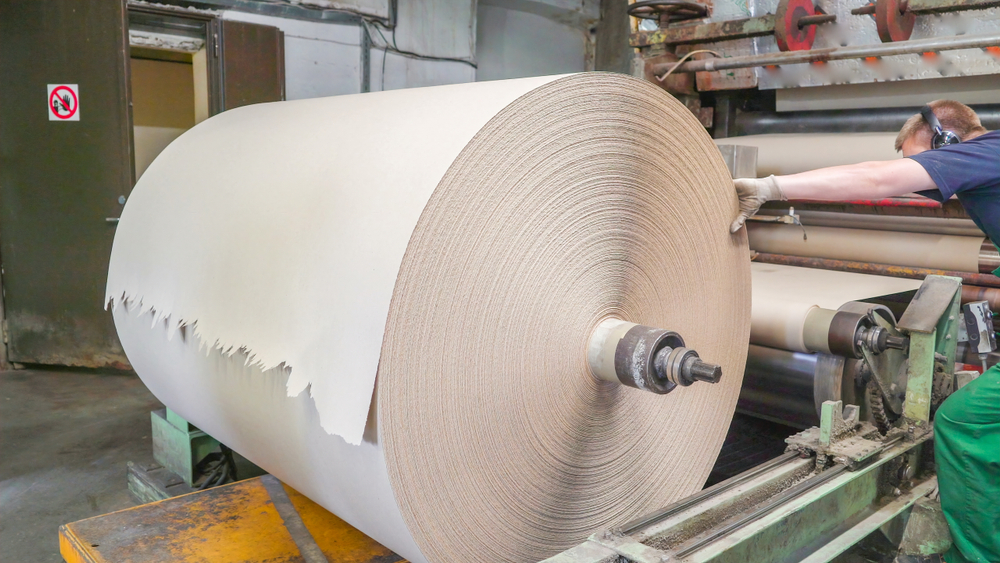
Generations of Paper Mill Workers Were Exposed to Asbestos Without Ever Being Warned

The paper industry built entire towns across the Northeast and the Adirondacks. Families passed mill jobs from one generation to the next. Fathers, sons, uncles, and cousins worked the same floors for decades, pulling double shifts, running and maintaining the big machines, fixing what broke, and keeping the mill moving around the clock. It was hard work, steady work, and it supported communities that depended on it.

What those workers were not told, and what their families often did not learn until decades later, was that the mills they poured their lives into were saturated with asbestos.  This included: Steam lines. Boiler rooms. Paper machine dryer sections. Power plants. Gaskets. Packing. Insulation. Refractory brick in recovery boilers. Protective gear. The material was everywhere, and the men and women who ran the mills breathed it every day.

If you worked in a paper mill, or if your father, husband, or grandfather did, and a diagnosis has now brought asbestos into the conversation, you are in the right place. Mesothelioma, lung cancer, and asbestosis are showing up now in retired paper mill workers who spent their careers in the mills and were never warned about what was in the materials around them.

A Free, Confidential Conversation Is Available Anytime

If you or someone you love has been diagnosed with mesothelioma, lung cancer, or asbestosis, you do not have to navigate what comes next by yourself. The attorneys at Lipsitz, Ponterio & Comerford have fought for workers and families in situations like yours for decades, and we are ready to do the same for you. The conversation costs nothing, and there is no fee unless we win. Call (716) 849-0701 or request a free case review to speak with someone who understands your rights, your options, and the road ahead.

Asbestos Exposure at Paper Mills - Lipsitz, Ponterio & Comerford, LLC - Mesothelioma & Asbestos Attorneys

Why Paper Mills Carry Such Heavy Asbestos Risk

Paper manufacturing is a heat-intensive, steam-dependent, high-pressure process. The paper machine itself uses massive quantities of steam to dry the continuous web of paper. Powerhouses run boilers that generate that steam. Recovery boilers in kraft mills burn black liquor at extreme temperatures. Process piping runs through every corner of the mill carrying steam, hot water, and chemical liquors at high pressures. All of that heat had to be contained, and for most of the 20th century, it was contained with asbestos.

Asbestos pipe insulation wrapped thousands of feet of steam line. Boilers were insulated inside and out with asbestos refractory, block insulation, and cement. The dryer section of the paper machine, where wet paper runs over heated rolls, was often insulated with asbestos products. Asbestos gaskets sealed pipe flanges, pump housings, valve bodies, and vessel connections throughout the mill. Asbestos packing sealed valve stems and pump shafts. Protective gear issued to workers included asbestos gloves, aprons, and mitts.

Wherever heat had to be managed, asbestos was the material the industry reached for, and in a paper mill, there was almost no place where heat wasn’t present.

Paper mill work was also routinely disruptive. Breakdowns meant tearing into insulated equipment. Annual shutdowns meant stripping out and replacing large sections of insulation. Maintenance work meant changing gaskets, repacking valves, and rebuilding pumps. Every one of those tasks released asbestos fibers into the air. The mill ran 24 hours a day, and the men doing the work often spent their shifts breathing whatever the previous shift had kicked up.

The manufacturers of pipe insulation, gaskets, packing, refractory, and protective equipment knew by the 1930s and certainly by the 1950s that asbestos caused deadly disease. Most chose to keep selling without adequate warning. Paper mill workers paid the price.

Where Paper Mill Workers Encountered Asbestos

Steam Lines and Process Piping

Miles of pipe run through every mill, carrying steam, condensate, hot water, and process liquors. For much of the 20th century, most of that pipe was insulated with asbestos-containing pipe covering. Insulators installed it. Pipefitters worked around it. Every time a section needed to be opened for repair or replacement, insulation was cut, torn, and pulled off. Old lagging became friable with age and shed fibers at the slightest disturbance.

Powerhouses and Boiler Rooms

The powerhouse, with its boilers generating steam for the whole mill, was one of the most asbestos-heavy spaces in any paper operation. Boiler jackets, refractory linings, steam pipe insulation, turbine insulation, gaskets, rope seals, and packing were all asbestos laden. Boiler mechanics, pipefitters, and operators spent their careers in those rooms.

Recovery Boilers (Kraft Mills)

Kraft mills with recovery boilers, where black liquor is burned to recover pulping chemicals and generate steam, used heavy quantities of asbestos in refractory, insulation, and gaskets. Workers who built, rebuilt, or serviced recovery boilers were among the most heavily exposed.

Paper Machine Dryer Sections

The dryer section of a paper machine, where steam-heated dryer cans drive water out of the paper web, was often insulated with asbestos. Hood systems, dryer cylinders, steam joints, and related piping all contained asbestos components. Workers who adjusted, repaired, or maintained the dryer section worked directly in contact with these materials.

Pulping and Chemical Process Equipment

Digesters, evaporators, washers, and chemical recovery equipment run at high temperatures and pressures and were insulated accordingly. Gaskets on these vessels and the piping serving them were typically asbestos based. Process maintenance workers broke down and rebuilt this equipment throughout their careers.

Gaskets and Packing Throughout the Mill

Flange gaskets, valve packing, and pump packing used throughout paper operations routinely contained asbestos. Machinists, pipefitters, and maintenance workers cut out old material, scraped flanges clean, and installed new gaskets as part of routine work.

Protective Clothing and Equipment

Gloves, aprons, mitts, sleeves, and heat-resistant clothing issued to workers for hot work were often made with woven asbestos. The gear meant to protect workers was itself a source of exposure.

Mill Infrastructure and Buildings

Mill buildings contained asbestos in floor tiles, roofing, boiler insulation, electrical components, and structural fireproofing. Renovations, demolitions, and repairs to mill buildings disturbed these materials and added to the airborne fiber burden.

Specific Paper Mills With Documented Asbestos Exposure

The attorneys at Lipsitz, Ponterio & Comerford have investigated and represented workers from paper mills across New York State. Below are some of the specific mills our firm has built institutional knowledge about. If you or your loved one worked at one of these mills, or at any paper operation not listed here, reaching out is the right next step.

Burrows Paper Corporation

Burrows Paper Corporation, with operations in Little Falls and elsewhere in upstate New York, has produced specialty papers for decades. Workers at Burrows encountered asbestos in steam lines, boiler systems, gaskets, packing, and other equipment throughout the mill.

International Paper Ticonderoga Mill

The International Paper mill in Ticonderoga, New York has been a major producer of paper products for generations. Workers at the Ticonderoga mill were exposed to asbestos in the powerhouse, on the paper machines, in the recovery boiler operation, and throughout the maintenance-intensive work of running a large kraft mill.

Finch, Pruyn & Company (Finch Paper)

Finch, Pruyn & Company, later known as Finch Paper, operated a longstanding paper mill in Glens Falls, New York. Decades of workers at the Finch Pruyn mill encountered asbestos in steam systems, paper machine dryer sections, boiler operations, and throughout the facility’s piping and mechanical infrastructure.

St. Regis Paper Company

St. Regis Paper Company operated mills across New York and the Northeast and was a major force in the American paper industry for much of the 20th century. Workers at St. Regis facilities faced asbestos exposure in virtually every area of operations, from powerhouses and paper machines to maintenance shops.

Georgia-Pacific

Georgia-Pacific operates paper and building products facilities across the country, and its history with asbestos-containing products is significant. Workers at Georgia-Pacific paper operations, and at facilities supplied with Georgia-Pacific joint compound and related products, have been diagnosed with asbestos-related diseases at concerning rates.

Knowlton Brothers

Knowlton Brothers operated a paper mill in Watertown, New York, producing specialty papers for many decades. Workers at the Knowlton Brothers mill encountered asbestos throughout the steam systems, boiler operations, and process equipment that defined daily operations there.

If you worked at one of these mills, at another paper mill not listed, or at a paper product supplier, and have been diagnosed with an asbestos-related disease,  please reach out. Our firm has investigated dozens of paper operations and has built the kind of historical knowledge that helps identify specific products, specific time periods, and specific exposure scenarios that most families could not piece together on their own.

The Roles and Departments Most at Risk

If you or your loved one worked in any of the following paper mill roles or departments, and have been diagnosed with an asbestos-related disease, asbestos exposure is worth investigating:

  • Paper machine operators, tenders, and back tenders
  • Powerhouse and boiler operators
  • Recovery boiler operators (kraft mills)
  • Maintenance mechanics and millwrights
  • Pipefitters and pipe welders
  • Insulators and insulator helpers
  • Electricians working around insulated equipment
  • Machinists and shop workers
  • Pulp mill operators and digester workers
  • Chemical recovery operators
  • Shutdown and outage workers
  • Mill labor and clean-up crews
  • Foremen and supervisors
  • Contractors who performed construction, demolition, or renovation work
  • Retired paper mill workers who worked pre-1980 in any of the above roles

Exposure also extended to families. Paper mill workers carried asbestos fibers home on their coveralls, work boots, and hair. Wives who laundered work clothes and children who greeted their fathers at the end of the shift were exposed to the same fibers. This second-hand or take-home exposure has led to mesothelioma diagnoses in spouses and children who themselves never stepped inside a mill.

Starting a conversation with our firm costs nothing and commits you to nothing. You can reach Lipsitz, Ponterio & Comerford directly at (716) 849-0701.

The Diseases Linked to Asbestos Exposure in Paper Mills

Asbestos-related diseases often take decades to appear. For paper mill workers, that means exposure from years spent around boilers, paper machines, insulation, and maintenance areas may not show up as illness until 20, 30, or even 50 years later. A mill worker who ran the paper machine in 1970 may not feel his first symptom until 2010 or later.

By the time symptoms develop, the connection to mill work isn’t always obvious. But the type of illness that develops depends on how long and how heavily a worker was exposed, and all asbestos-related diseases are serious.

The most serious diseases caused by asbestos exposure in paper mills include:

If you or a loved one worked in a paper mill and received one of these diagnoses, it’s worth understanding whether asbestos exposure played a role in the disease’s development.

Why Timing Matters for Paper Mill Workers

In New York, asbestos claims are subject to strict time limits. For workers, the timeline usually begins at diagnosis. For families, it begins at the time of death.

Just as important, the longer you wait, the harder it can be to build a strong case. Paper mill environments changed over time, and key details—like specific equipment, materials, and working conditions—can become harder to verify as records disappear and coworkers move on.

Starting the conversation early helps preserve those details and protect your options. It doesn’t commit you to anything. It simply gives you clarity.

What Filing a Claim Actually Means

Many paper mill workers and their families hesitate because they misunderstand how asbestos claims work. Here’s what matters:

  • You are usually not suing the mill itself. Most claims are against the manufacturers of asbestos-containing materials used in mills. These are the companies that knew the risks and failed to warn workers.
  • There are no upfront costs. Cases are handled on contingency, meaning you only pay if we recover compensation.
  • Most cases don’t go to trial. Many are resolved through trust funds or settlements.

Why Paper Mill Families Turn to Lipsitz, Ponterio & Comerford

Paper mills had unique exposure risks, including insulated steam systems, drying equipment, pumps, valves, and maintenance work all commonly involved asbestos-containing materials.

Lipsitz, Ponterio & Comerford has spent decades focusing specifically on asbestos-related cases, including those involving paper mill workers. That experience means:

  • Familiarity with how mills operated and where exposure occurred
  • Knowledge of the products used in mill environments across New York and the region, including the specific equipment, insulation products, gasket materials, and protective gear
  • Access to experts who can document and explain that exposure

This isn’t a general personal injury firm. It’s a team committed to helping workers who were exposed to asbestos without being fully informed of the risks.

Ready to Take the Next Step? Arrange a Free Case Review Today

If you or someone in your family worked in a paper mill and later developed an asbestos-related illness, you don’t have to figure this out on your own.

A free consultation is simply a conversation. You’ll get a clearer understanding of whether your work history may be connected to your diagnosis and what your options are.

Call (716) 849-0701 or request a confidential consultation online today.

Lipsitz, Ponterio & Comerford, LLC. Representing workers and families across Western and Central  New York in mesothelioma, asbestos, and talc-related cases.